Date
21 Nov – 31 Dec 2026
Location
CON Art Station
Marina, Hawaii Tower, Diamond Island, Binh Trung Ward, Ho Chi Minh City, Vietnam
Exhibition Permit
10740/GP-SVHTT–XDNSVHGĐ
(H29.17-261111-G160017)
Artist Statement | Bùi Chát
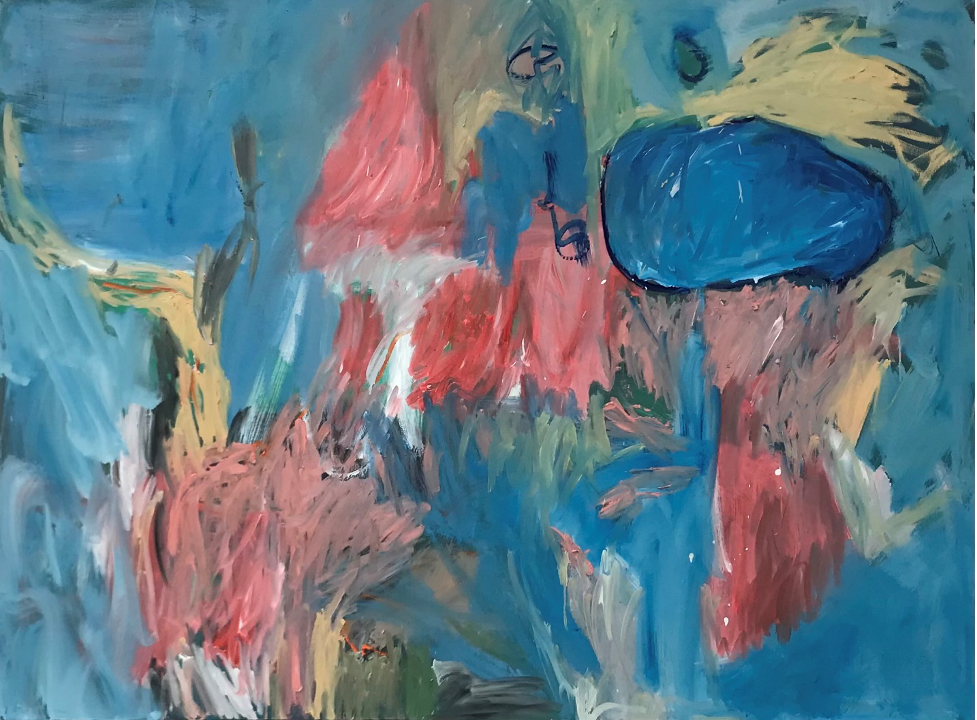
I realized very early on and with increasing clarity over time that I am not, and perhaps should not be, the one to name my own works. Once a painting has taken on a life of its own, it also has its own way of determining how it wishes to live and how it wishes to exist. A name I impose upon it can sometimes become an unnecessary intervention, like an adult attempting to speak for a child who has only just begun to discover their own voice.
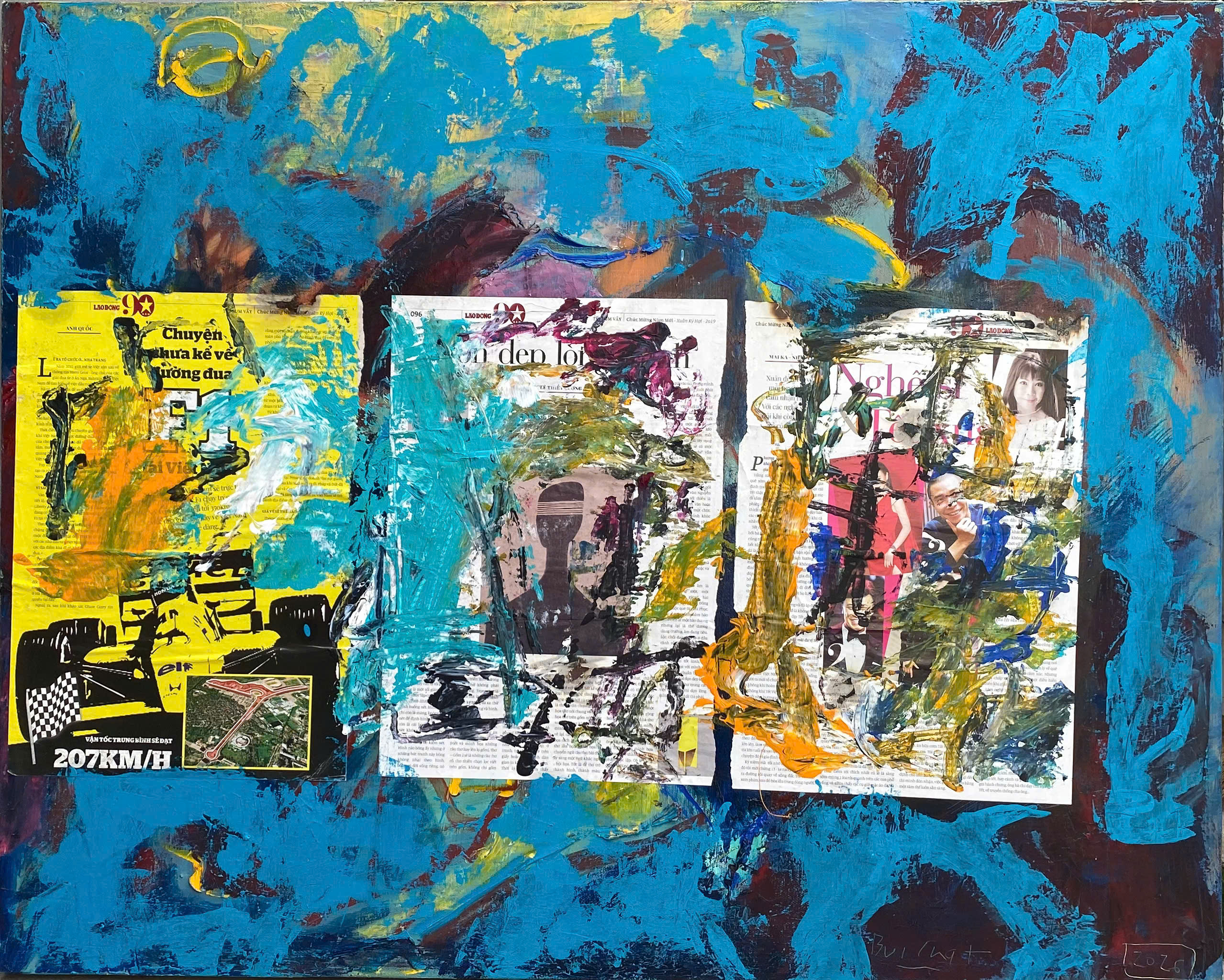
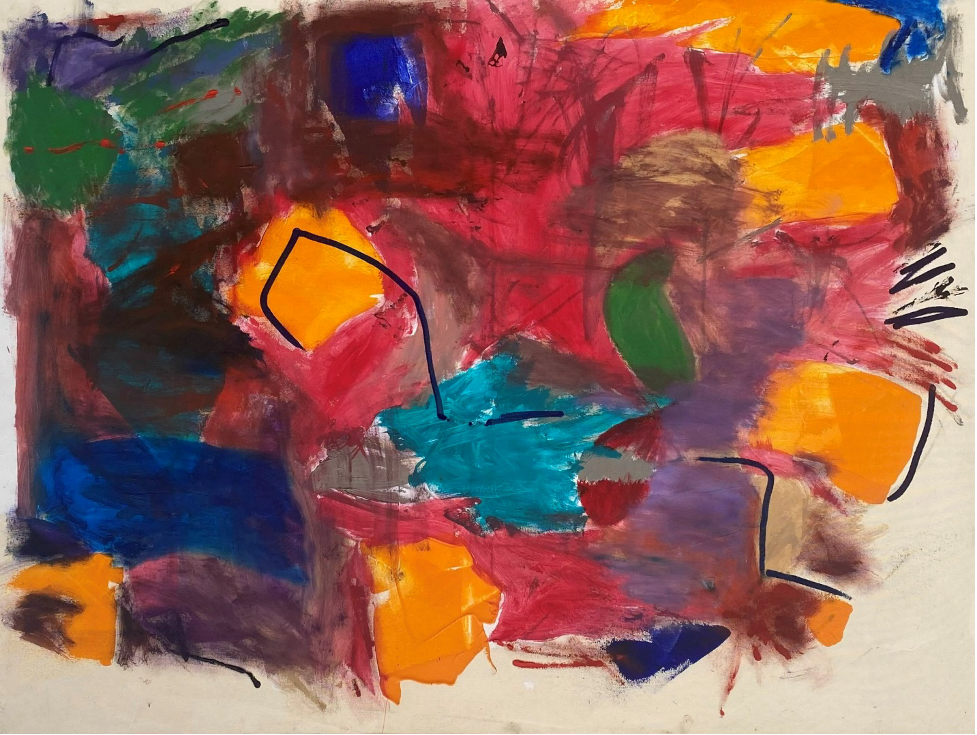
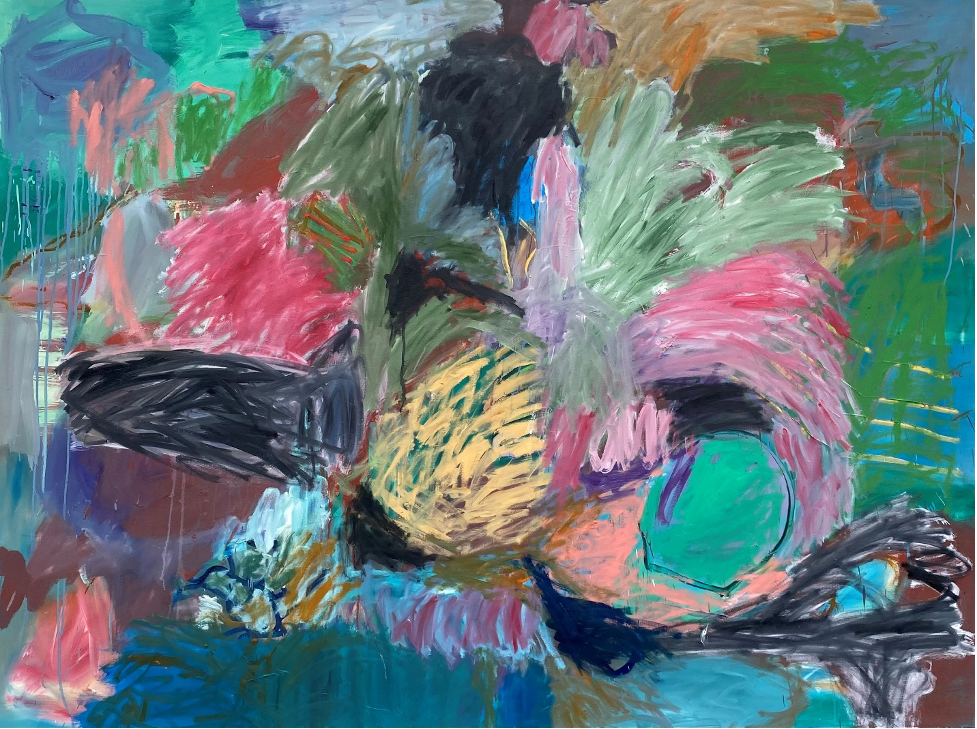
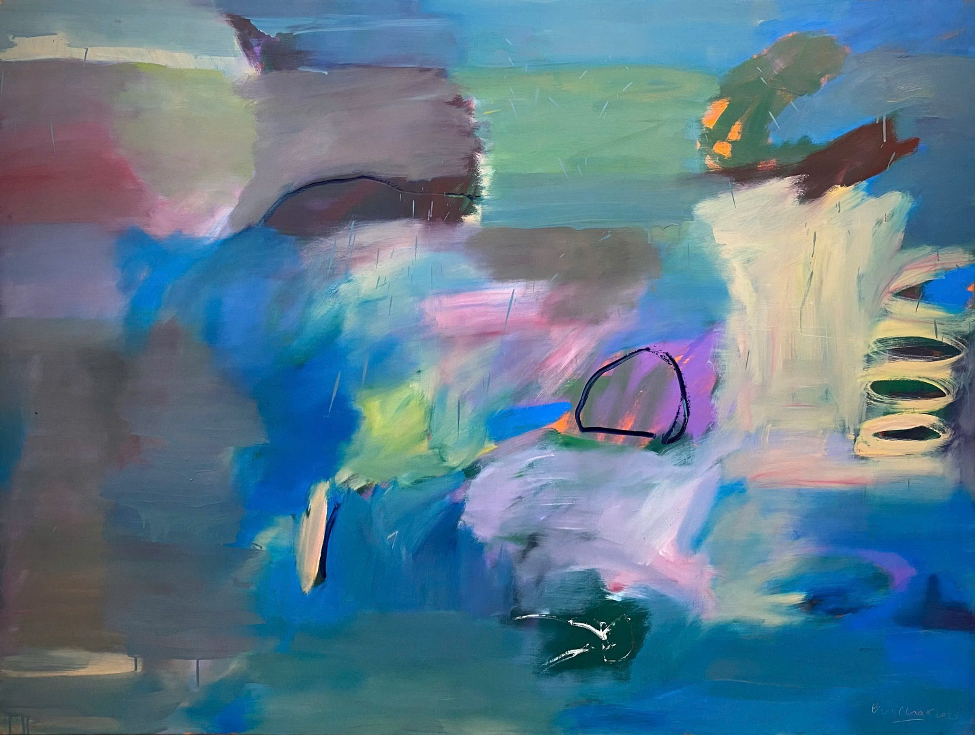
In my practice of Situation Painting (Solverism), I do not seek to illustrate a preconceived idea. Instead, I engage with what unfolds on the surface of the canvas: the shifting relationships of color, the ways paint spreads, overlaps, and dries, and the unexpected marks that emerge beyond my intentions. Some elements are deliberately created, while others arise beyond my control, compelling me to reconsider what I see and how I respond. It is through this interaction between intention and chance, between what I can control and what escapes my expectations, that the work gradually takes shape.
I am often asked, “Without a title, how does the viewer know where to begin?” The question implies that a painting must offer some form of guidance – a clue, a suggestion, or a preliminary explanation. But that is precisely what I wish to avoid. To give a painting a title is also to introduce a particular interpretation. A title can become an invisible barrier, directing the viewer along a predetermined path. I resist this because a visual situation is always more complex and multidirectional than any title could suggest. A name, much like a single frame in a film, captures only one moment of something, whereas a painting encompasses what has already occurred, what is unfolding, and what may continue to unfold beyond that moment.
Having spent nearly thirty years writing poetry before returning to painting, I have become increasingly wary of the overwhelming power of words. Language can elevate an image, but it can also suffocate it beneath a voice on which I no longer wish to rely. In painting, I choose to let words remain outside. Not because I reject language, but because painting – when it is truly painting – possesses the capacity to establish its own identity.
More importantly, I believe that viewers may recognize the name of a work more accurately than I ever could. Standing before a painting, each person enters into a quiet conversation with it, shaped by their own perceptions, memories, and experiences. If they listen long enough, they may discover a name, not a generic label intended to suggest an interpretation, but one that emerges from the encounter itself.
I want viewers to take a more active role in this encounter. Rather than waiting for the artist to provide a title, a subject, or a message through which the work might be understood, they can begin with what they themselves see, feel, associate, and question. They may agree, disagree, feel confused, or even find no connection with the painting at all. Every one of these responses has value within the experience of encountering art. I do not believe viewers need to arrive at a correct answer, nor should they have to guess what the artist intended to say. What I hope is that they will actively participate in the creation of meaning, rather than merely receive an interpretation prepared in advance. Without a title to guide them, viewers must choose their own point of entry, formulate their own questions, and take responsibility for their own way of seeing. In doing so, they cease to be merely external observers and become genuine participants in the life of the work.
I cannot decide what my paintings should be called, because I cannot live their lives for them. Once a painting has taken form, it no longer remains confined to the intentions and decisions of its creator. It begins another life, encountering everything that comes afterward: the eyes of its viewers, the exhibition space, the light, and even the silence shared by those who stand before it. Its name—if it truly needs one – may emerge from these encounters, rather than having to begin with a label I have imposed upon it.
So perhaps it is best that I simply do my part: create a situation, respond to it, and push it toward the boundary between art and non-art. As for its name, let the painting take care of that itself. I want to grant the work the freedom to exist without having to carry an explanation, while offering viewers the opportunity to find their own way toward it. When audiences respect this freedom of the artwork, they are also protecting the freedom of their own gaze. And when they truly enter into a conversation with a painting, they may realize that its name was never absent, it had simply not yet been spoken, until someone saw it and called it by a name in their own language.
Installation

Featured
News

Le Courrier du Vietnam Magazine
Des tableaux qui se donnent eux-mêmes un titre
19 Nov 2026 – Minh Thu
TẠP CHÍ MỘT THẾ GIỚI
Xem tranh Bùi Chát hiểu sao cũng được
19 Nov 2026 – Tiểu Vũ
BÁO DÂN VIỆT
Những bức tranh tự đặt tên hay cách hội hoạ tình huống tìm đến công chúng
19 Nov 2026 – M.T
TẠP CHÍ MỸ THUẬT
Triển lãm “Những bức tranh tự nó đặt tên” của nghệ sĩ Bùi Chát
19 Nov 2026 – Lý Đợi

THANH NIÊN NEWS
Vì sao Bùi Chát để 26 bức tranh hoàn thành mà không đặt tên?
20 Nov 2026 – Lê Công Sơn
BÁO ẢNH VIỆT NAM
Những bức tranh tự nó đặt tên
22 Nov 2026 – Thông Hải
Bui Chat
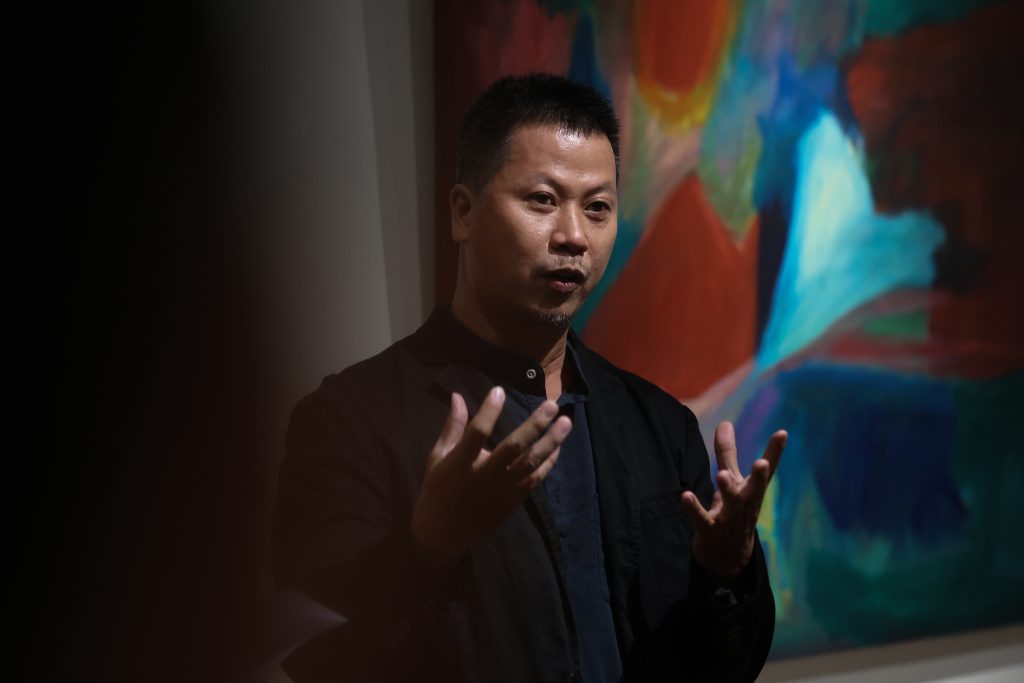
Who has the right to name a painting? For Bùi Chát, once a painting takes on a life of its own, its identity no longer belongs exclusively to the artist.
“Let the painting take care of its own name.”